How to Budget for Family Travel: 2026 Money-Saving Guide

Looking for some money-saving ideas on how to take a family vacation without “breaking the bank?”
No matter where you go, the perfect family vacation is not tied to the destination or itinerary; it’s tied to the family memories you make.
We go on one “big” vacation per year, using the majority of our PTO for a 7-12 day trip, and then several smaller weekend getaways throughout the year. Depending on our vacation budget, that big trip may be an international vacation, a cruise, or a local road trip.
Whether you’re planning your first family adventure or you’re a seasoned traveler looking to stretch your dollars further, this comprehensive guide will help you approach family travel budgeting.
From setting realistic expectations to finding hidden savings opportunities, we’ll cover everything you need to create magical family memories without the post-vacation financial hangover.
How Much Does an Average Family Vacation Cost
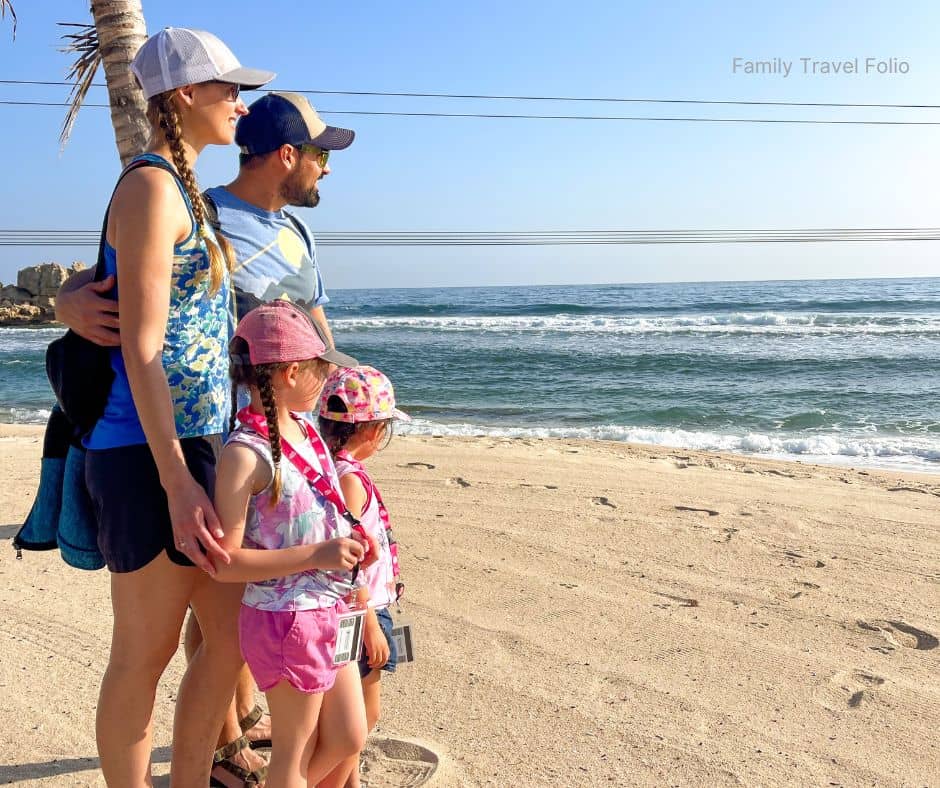
Did you know that the average family will spend on vacation is $7,249 per year? Most Americans budget $2,700 per vacation each year, but the survey doesn’t specify if that’s for solo, couple, or family travel.
I don’t know about you, but we can’t afford to spend $7,000 every time we travel. It’s not a sustainable budget for us, and since you’re here, I think we’re on the same page.
So, how do you travel often without overspending?
We like to do one big vacation per year, and a lot of smaller trips. That big trip doesn’t have to mean big budget- it all depends on where you want to go and how you want to travel.
So let’s dive into where a vacation costs the most and what options you have to keep that budget as low as possible.
Understanding Your Family Travel Budget Basics
Before we get into the money-saving tips, let’s talk about your vacation budget.
Are you looking for tricks and tips on how to find good deals to stretch your decent budget size?
Or are you looking to find any type of lower-budget vacation that will let you actually go on a trip somewhere, anywhere?
Both are types of vacation budgeting and saving, but one may mean mid-range travel: making a $10,000 vacation cost closer to $7,000, for example. The other is full-on budget-travel, trying to find a vacation budget for less than $2,000.
We are fortunate to mix in finding good deals for mid-range travel and budget traveling, although when we first started traveling with a family, it was 100% that second option of overall low-budget vacations.
How to Budget for a Vacation
There are different tricks to saving up vacation money. First things first, figure out a realistic travel budget number.
Are you following the 50/30/20 rule?
This is where 50% of your income goes to necessities like rent/mortgage, groceries, gas, utilities, etc. 30% goes to fun things like activities, hobbies, and travel. The final 20% makes up savings, emergency funds, and extra payments on credit debt.
As a parent, that 30% on “non-necessary” funds gets sucked up quickly by your kids’ extracurricular sports, eating out on those nights you’re too tired to cook, items for the classroom, gifts for teachers, family, and friends.
That doesn’t leave much left over for travel, does it?
OK, so what are non-negotiables, and what are things you buy now that could happen less often?
Once you have a realistic number you can set aside for traveling, put it in a dedicated travel savings account helps you put aside the money so you don’t think you have it for your day-to-day spending.
Travel Budget Savings Hack
Here’s one trick that helped us set up our first travel fund: put in $1 in a jar for every day of the year. For example, $1 for week 1, $2 for week 2, $3 for week 3, etc., to $52 for week 52.
It’s easy at first, but gets trickier when you get to the higher numbers like $42 for week 42. Saving isn’t easy, but it’s worth it!
Think of $40 or $50 going into the savings jar instead of out to dinner (which for our family of 4 can easily be $70 at an average restaurant). The smaller $5 here, $10 there, are instead of buying a coffee or a Starbucks drink.
By the end of this saving experiment, you’ll have $1,378 to use for a vacation, or jump-start a savings fund for a bigger trip!
Budgeting Backwards
I like to budget backwards and break down a savings plan based on the goal. Here are some questions to ask:
- How much will the vacation I want to take realistically cost me?
- When will I want to take this trip?
- How much do I need to set aside each month to reach that goal?
- How much do I need to set aside each week to make this happen?
Once you know what you’re saving towards, it’s easier to hold yourself accountable (not easy, but easier).
How do you get this number? Let’s break down the costs that go into a family vacation.
Breaking Down and Saving on Major Family Travel Expenses
The biggest expenses on any family vacation usually come down to three things: transportation, accommodation, and food.
Sure, activities and souvenirs can add up, but those are easier “wants” you can adjust or plan around. Transportation and lodging? You kind of need those to make the trip happen—so let’s talk about where the money goes and how to save.
How to Save on Transportation
This is typically one of the most expensive parts of any trip. Flights, rental cars, gas, tolls, and parking all add up—fast.
We’ve saved hundreds by booking during travel deal windows (like Black Friday or January–March for cruises), comparing road trip costs versus flying, and using credit card points or companion fares.
Example: We once priced out a road trip to several National Parks in the Northwest. Flights plus a rental car ended up being cheaper (and faster) than driving round-trip from home. But when we looked closer at hotel prices—$300+ a night—it was still too expensive.
So what did we do? We booked a cruise instead. It cost $400 per person for the entire 10-day cruise. Even after flights and shore excursions, the total cost came out lower than that National Park trip would have been.
Ways to Save on Transportation:
- Book during Black Friday or early-year sales
- Compare road trips vs. flights + rental car
- Use credit card points or travel rewards
- Look for bundled deals (flight + hotel, cruise packages)
- Choose family-friendly airlines with perks like free bags or snacks

Accommodation Budgeting Tips
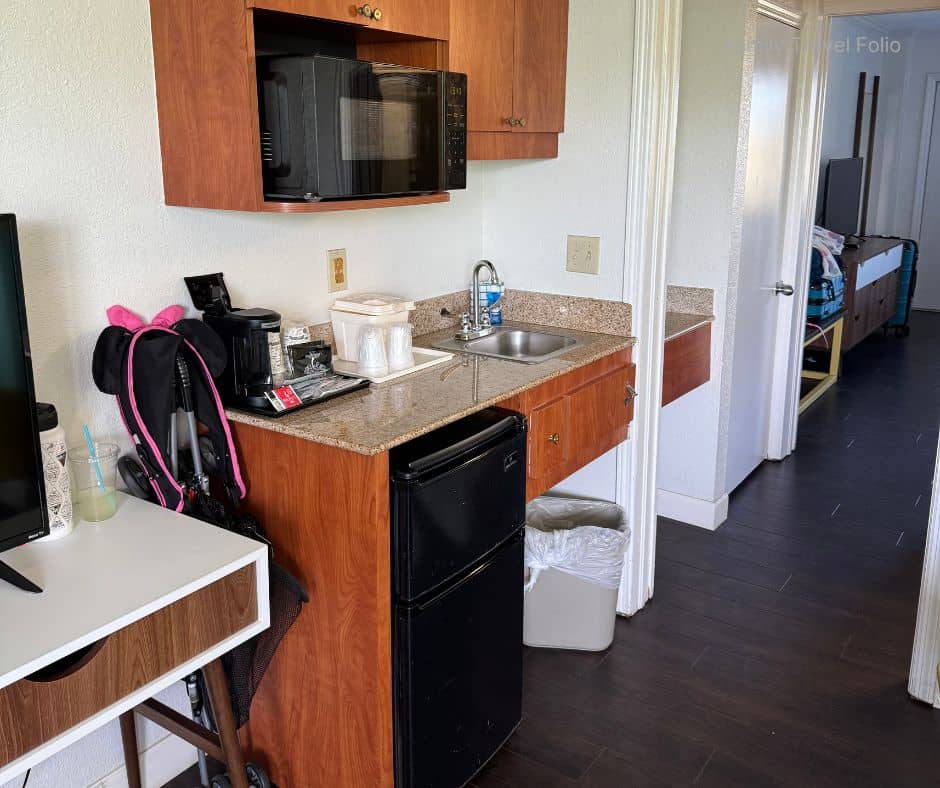
When you’re traveling with kids, space and convenience matter. A cramped hotel room with no fridge? That’s a hard pass.
We love booking vacation rentals or family suites—especially when we can split the cost with another family. On trips through California and Arizona, we’ve used budget hotels with decent amenities. In Colombia, we’ve stayed with family to cut costs completely.
Look for places with free breakfast or a kitchenette. On our trip to Banff, we grabbed groceries from a local market and cooked in our Airbnb to save on meals.
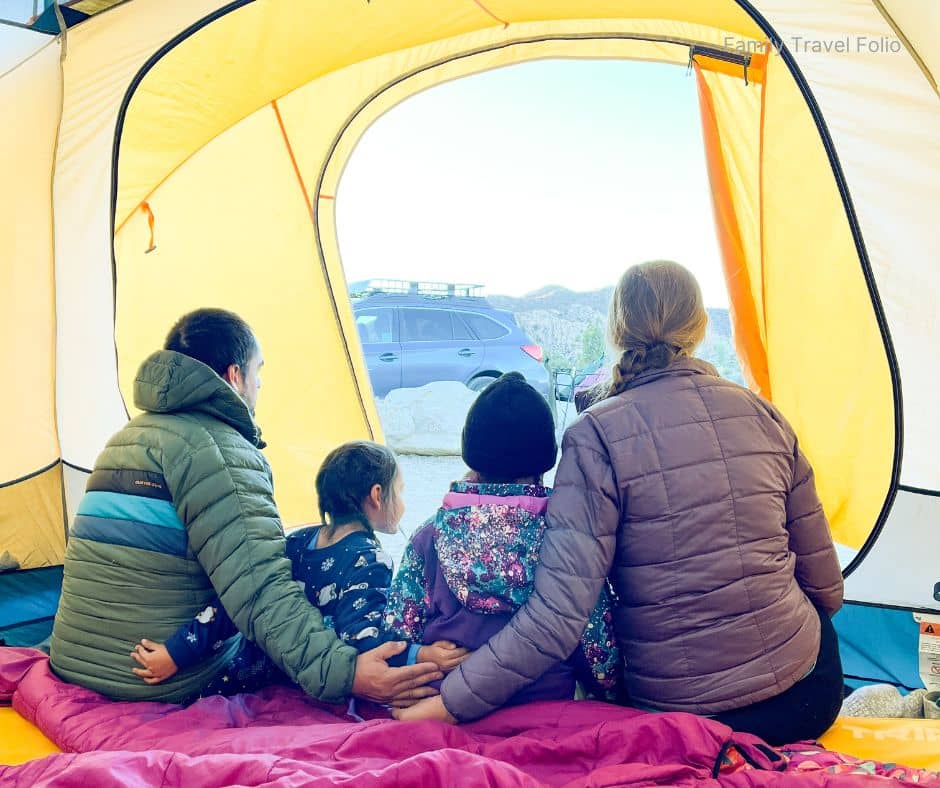
Camping is another huge money-saver. We’ve explored Sequoia and Kings Canyon while tent camping just outside the parks. We had access to trails, convenience stores (yes, there was ice cream), and didn’t blow our budget.
Additional Accommodation Hacks:
- Sign up for hotel loyalty programs
- Ask about extended-stay discounts
- Look into alternative stays like hostels, house swaps, or camping
- Book family travel packages that bundle meals or parking
- Stay with family near the area you’re visiting
Food Budget for Family Travel
Food is one of those sneaky expenses that can get out of hand fast—especially if you’re eating out for every meal. We try to eat out just once a day and plan the rest ourselves.
We shop at local grocery stores, pack snacks and sandwiches, and prioritize places with included breakfast. Quick service meals are our go-to since they’re easier (and faster) with kids than full table-service spots.
Family Food Budget Tips:
- Balance eating out with simple home-cooked meals
- Bring snacks for travel days to avoid airport prices
- Look for restaurants with kids-eat-free deals
- Budget for one special meal or treat per trip
Saving on Activities and Entertainment
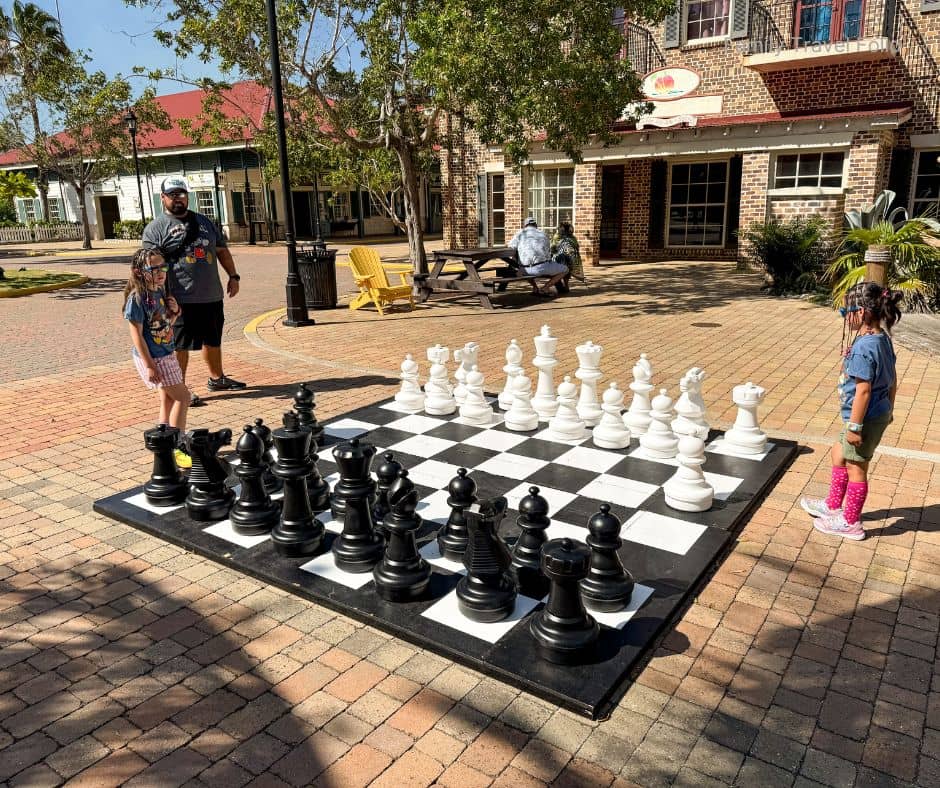
You don’t have to spend money every day to have a great time. We mix in free options like hikes, playgrounds, or self-guided tours with one or two big-ticket activities.
When visiting big cities, we look for city tourism cards or bundle passes—they can save a ton on attractions like museums or zoos.
Budget-Friendly Activity Ideas:
- Free parks, nature trails, or community events
- City cards or pass bundles for local attractions
- Plan around free museum days or seasonal discounts
- Let your kids help pick fun (and free) things to do

Creating Your Family Travel Emergency Fund
An emergency fund is your safety net for unexpected trip expenses—medical care, travel delays, or last-minute changes. For short trips, $200–$300 is usually enough. For longer or international travel, budget at least enough for an extra night’s lodging, transportation, and meals.
Travel insurance can also save you hundreds, but check what’s covered before you buy.
We’ve used our travel insurance when a friend broke her foot on our cruise and when we were stuck in New York for 3 days due to a cancelled connecting flight.
If heading abroad, find out if your destination is cash-based. Always carry some local currency, but split it between bags and travel partners for safety—so if a wallet or bag is lost or stolen, you’re not left without money.
Quick Tips:
- Save $200–$300 for short trips; more for long/international
- Include extra lodging, meals, and transport in your fund
- Get travel insurance and check coverage details
- Bring local currency and split it up for safety

Budgeting for Souvenirs and Shopping
We set limits before the trip. Sometimes we’ll even pre-buy small surprises (like Disney shirts or character toys) at home to avoid inflated prices in gift shops.
It helps to have a small item you collect like stickers, magnets, or Christmas ornaments.
Decks of cards or bookmarks can also be reasonably priced, practical souvenirs.
Avoid buying expensive dolls or toys that will be treated the same as any other toy at home and forgotten right away.
Teaching Kids About Travel Budgeting
Travel is a great opportunity to sneak in some real-world money lessons for your kids. We like to involve ours early—helping choose activities, comparing prices, and seeing what fits into our budget.
We give our kids $10–$20 each and let them pick out anything they want, buying it with their own money. They were so excited to buy something themselves, and it made a cheaper souvenir feel even more special. One of our favorites is their kids travel journal—low cost, packed with activities for trip downtime, and a great way to collect memories.
It’s also a good way to show them the cost of travel. Let them see the price of tickets, hotels, or meals so they understand why choices have to be made. These conversations turn a vacation into a hands-on learning experience they’ll remember.
Quick Tips:
- Involve kids in age-appropriate trip planning
- Give them their own spending budget
- Use purchases to teach value vs. impulse buying
- Share actual trip costs so they see the big picture
Budget Family Vacation Ideas
So you’ve got the money-saving tips and know how to budget—but you’re still wondering where to go. Not every trip needs to be a $10,000 blowout. In fact, starting with a lower-budget vacation can help you get more comfortable with planning and saving before tackling a bigger trip.
Some destinations have a low cost of living, so accommodations and food are cheap once you arrive, but the flights can be pricey ($700+ per person). That’s where airline points or travel rewards can help cover the biggest expense.
Budget Destination, Pricey Flight ($700+/p)
- Bali, Indonesia – Affordable villas and meals, once you get there.
- Portugal – Budget-friendly lodging, transportation, and amazing food.
- Thailand – Low daily costs for hotels, activities, and dining.
Budget Destination, Cheaper Flight ($300-$400/person):
- Mexico (non-resort areas) – Inexpensive flights and local experiences.
- Costa Rica – Budget lodging and family-friendly outdoor adventures.
- Belize – Affordable stays, beaches, and cultural sites.
Flights Under $100/p (from LAX):
- Las Vegas, Nevada – Perfect for a quick family getaway. Beyond the Strip, you can explore kid-friendly attractions like the Shark Reef Aquarium, Discovery Children’s Museum, and day trips to Red Rock Canyon or Hoover Dam.
- Phoenix, Arizona – Great for outdoor-loving families. Hike Papago Park, visit the Phoenix Zoo, and enjoy Desert Botanical Gardens. Spring and fall offer the best weather for exploring.
- San Diego, California – A short hop from L.A. but packed with family fun: San Diego Zoo, Balboa Park, beach days in La Jolla, and kid-friendly museums.
Other Budget-friendly Vacations:
- Camping trips ($15-$50/night)
- Day trips exploring your local area (Local discount on events or activities)
- Staying with family who lives out of town, state, or country (Save on accommodations!)
These flight prices are an average from LAX at the time of this post. If you’re on the East Coast, you might find cheaper flights to completely different destinations, both within the U.S. and internationally. And if you live outside the U.S., traveling here may be pricey, but the reverse is often true: countries that are expensive for Americans can be much more affordable for your budget.
Big or small, the key is choosing a trip that fits your budget now so you can spend more time enjoying it and less time stressing about the cost.
Can A Cruise Save me Money?
A cruise is a great way to save money on a family vacation without it feeling like a budget trip. A 3-5 day cruise can cost $300-$400 per person. This cost includes accommodation, food, AND entertainment.
But be careful! If you want to get a drink package or photo package, or book excursions at every port, the money you saved on traveling is quickly countered.
To keep a budget cruise within your budget, explore on your own at each port and stick with the complimentary drinks at meal times.

Summary How to Budget for Family Travel
Budgeting for family travel doesn’t have to be complicated. For us, it’s never about spending the least, it’s about spending wisely on the moments that matter most.
The tips in this guide are the same ones we use to plan vacations without the post-trip “how much did we just spend?” panic. Start small if you need to, and try a weekend getaway close to home then work your way up to those bigger dream adventures.
Your family’s travel memories are priceless, but they don’t have to drain your bank account. With a little planning, you can say yes to more trips, more experiences, and more time together—without the financial stress.
Grab my free Family Travel Packing Checklist to make sure you’re ready for your next adventure, and check out my Family Travel Planner if you’re ready to plan your most organized (and affordable) trip yet.